The U.S. Department of War Announced Hundreds of Thousands of One-Way Attack Systems and a Four-Star Autonomous Warfare Command Path
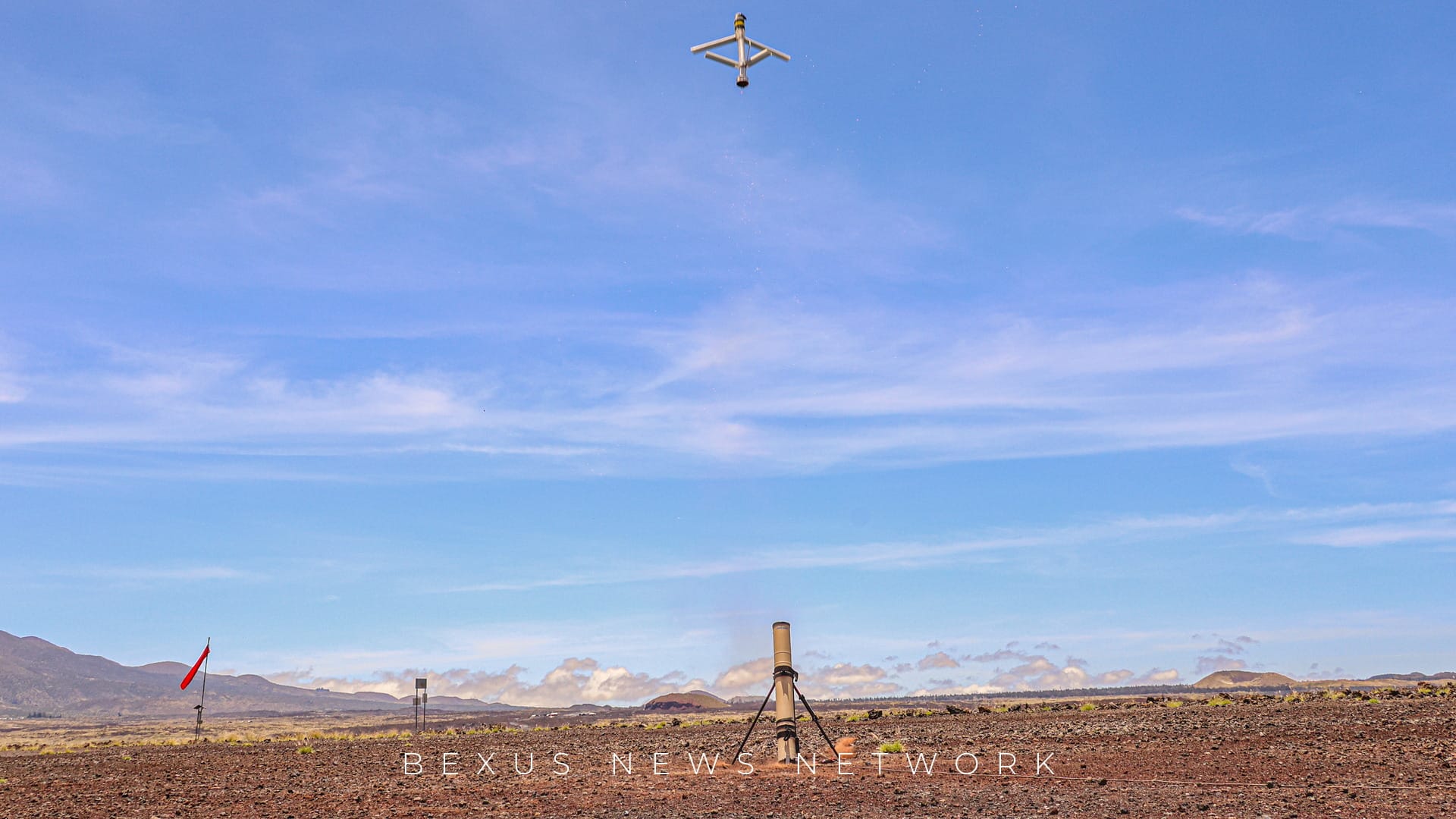
The U.S. Department of War presented Project Agincourt on October 14, 2026, at the annual meeting and exposition of the Association of the United States Army as a pathway to an Autonomous Warfare Command led by a four-star general. Secretary of War Pete Hegseth said at a panel that day that an Autonomous Warfare Command had always been the end state. According to the article released by the Department of War, Hegseth signed a memorandum last month detailing the creation of Project Agincourt. Project Agincourt, a short-term project, is charged with laying the groundwork for creating the Autonomous Warfare Command, a new functional combatant command that will lead the joint force in unmanned autonomous warfare. The announcement was therefore not an announcement that the command had already been created. The Department of War article described Project Agincourt as a path to the Autonomous Warfare Command, and Hegseth also described the Autonomous Warfare Command as an end state to be built.
Hegseth told Owen West, the chief executive officer of the Pentagon's Direct Reporting Portfolio Manager for Unmanned Systems, which leads the project, that Project Agincourt was the end state of something the department had focused on since Day 1. Hegseth said the department started with drone dominance, the president put out an executive order, and the department got $1 billion of funding on drone dominance and put that funding straight into the hands of operators in the field. The $1 billion figure is presented here as Hegseth said it at the panel. The department plans to field hundreds of thousands of one-way attack systems this year, Hegseth told the audience. In coming years, Hegseth said, that number would be in the millions. The hundreds of thousands and the millions are figures Hegseth presented, and the hundreds of thousands should not be read as a number already fielded. The Department of War article said the department plans to field hundreds of thousands this year, and Hegseth presented the future scale as millions.
https://x.com/SecWar/status/2110447620330332220
Hegseth also said drones had been around for a long time but had not become inexpensive or proliferated across the force. Hegseth pointed in part to the Pentagon's bureaucracy, and said Project Agincourt and, eventually, the Autonomous Warfare Command would change that. Hegseth said buy-in from the military services and combatant commands also played a critical role. Hegseth said the services were not fighting the concept and believed in it. The Department of War article said the Army, Navy, Air Force, Marine Corps and Space Force were all aiming toward autonomous warfare, and so were the combatant commands. As examples, the article cited U.S. Southern Command's recently established autonomous warfare unit and U.S. Central Command's autonomous surface systems. The article said Central Command's autonomous surface systems rescued two downed Apache pilots off the coast of Oman in June.
Hegseth also said widespread adoption and mastery of autonomous systems would come from warfighters using those systems and from experts there to iterate on what was happening to make them better. The Department of War article said both of those were expected to happen with the Autonomous Warfare Command. Hegseth said the Autonomous Warfare Command would create the multidomain domain synthesis needed so that, from space to sub-sea autonomy, systems could work together in a contested environment. Hegseth said the War Department had made significant progress in modernizing the acquisition process and incentivizing industry partners.
The Army presented the Futures and Autonomous Systems Command. Acting Secretary of the Army Adam Telle said at the panel that the Army had announced the creation of the Army's Futures and Autonomous Systems Command just yesterday. Its English abbreviation is Fascom. Telle said it was the Army's way to take the great work happening with the resources available today and centralize it. Telle said the Army was pushing autonomy down into its units, but making sure the Army's left hand knew what its right hand was doing would happen at Fascom, and Fascom would then feed up into Autowarcom. Telle said Fascom would work with the other services to create scale for purchasing power and share best practices on autonomy. The creation announcement came from the Army, and Telle conveyed it at the panel.