The BICSA Sanctions Designation Was Announced With Services to an Iranian Bank Dating to 2022
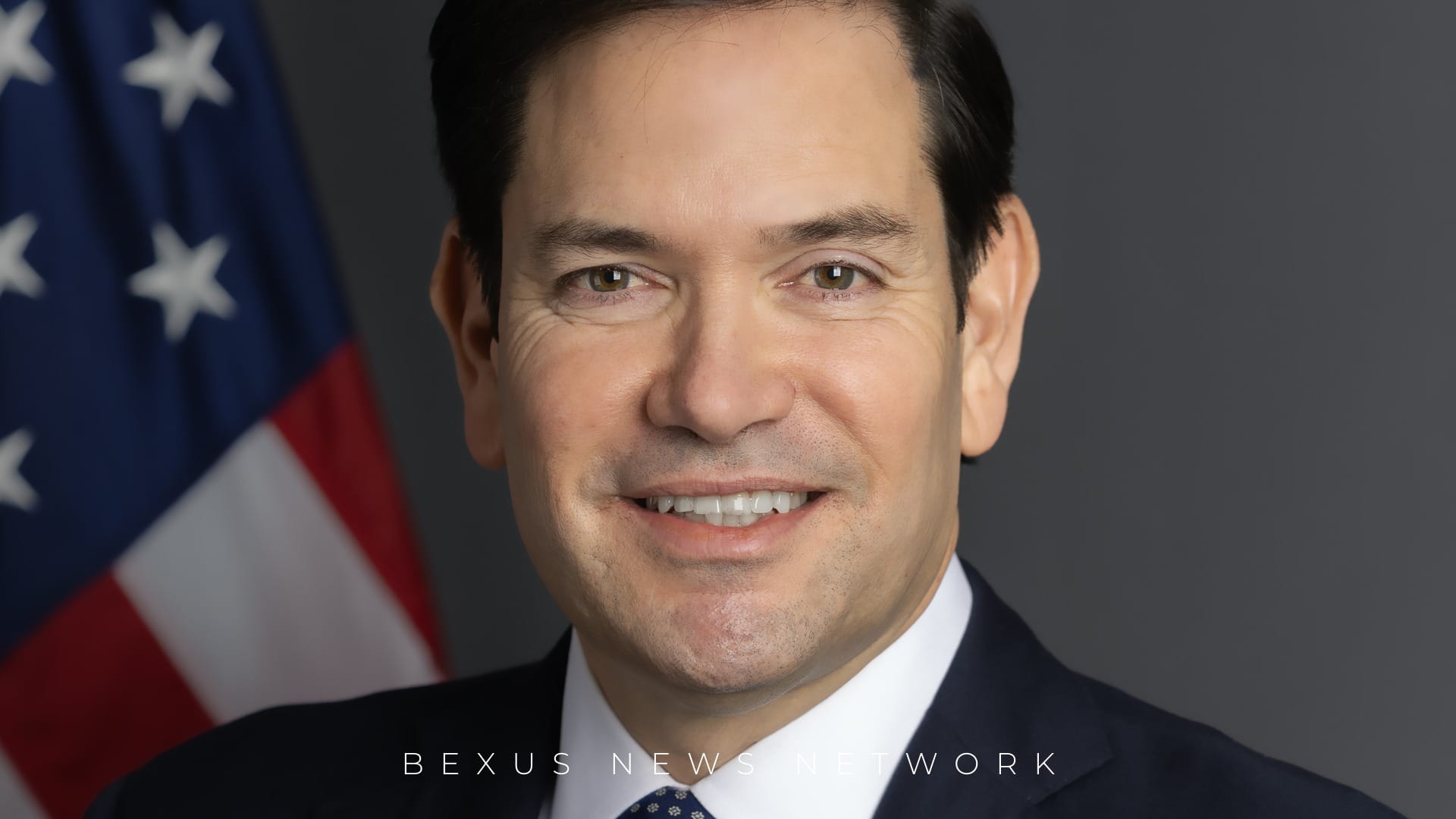
The U.S. Department of State designated the Cuban state-owned bank Banco Internacional de Comercio, S.A. on October 15, 2026. Secretary of State Marco Rubio's statement cited Section 2(a)(i)(A) of Executive Order 14404 as the basis for the designation. The reason given was operating in or having operated in the financial services sector of the Cuban economy. The full name of the designated bank is Banco Internacional de Comercio, S.A., and its abbreviation is BICSA. The Department of State statement said BICSA has provided services to Iran's designated Karafarin Bank since at least 2022. The since at least 2022 date and the provision of services are presented here as the Department of State stated them. The statement said the Department of the Treasury sanctioned Karafarin Bank pursuant to Executive Order (E.O.) 13902 in 2020.
Rubio said in the statement that President Trump has been absolutely clear. Rubio said that under the Trump administration, the United States will not tolerate terrorism, organized crime or extra-hemispheric forces spreading anti-American influence in the region. The word terrorism is presented here as Rubio used it in the statement. Rubio said Communist Cuba has for too long been allowed to operate as an outpost for malign actors and terror groups. Rubio cited the Islamic Republic of Iran as an example and described Iran in the statement as the world's number one state sponsor of terrorism. That description should also be read as attributed to Rubio's statement. Rubio said in the statement that Iran has targeted the United States.
https://x.com/statedeptspox/status/2108947909433495731
The designation line is that Secretary of State Marco Rubio designated BICSA on October 15, 2026, pursuant to E.O. 14404. This action is a Department of State sanctions designation. The statement did not describe it as the imposition of a civil penalty, and it did not say that anyone had been criminally charged. A designation that places a person on a sanctions list and a charge in court are different procedures. The statement explained the effect of the designation under the heading Sanctions Implications. According to that explanation, all property and interests in property of the designated person that are in the United States or in the possession or control of U.S. persons are blocked and must be reported to the Department of the Treasury's Office of Foreign Assets Control. The Office of Foreign Assets Control is abbreviated OFAC. The statement also said all entities owned, individually or in the aggregate, 50 percent or more by one or more blocked persons are also blocked.
The statement also described prohibited transactions. Any transaction or dealing by U.S. persons or persons subject to the jurisdiction of the United States in property or interests of designated or otherwise blocked persons is prohibited unless authorized or exempt, the statement said. The prohibitions include making any contribution or provision of funds, goods, or services by, to, or for the benefit of any blocked person and receiving any contribution or provision of funds, goods, or services from any such person, the statement said. Foreign persons that engage in transactions with persons designated pursuant to E.O. 14404, or that operate or have operated in the energy, defense and related materiel, metals and mining, financial services, or security sector of the Cuban economy, as identified in E.O. 14404, are themselves at risk of sanctions, the statement said. Non-U.S. persons, including foreign financial institutions, should proceed with caution in any dealings with a party sanctioned under this authority, the statement said. Actions to return assets to a sanctioned party or transfer them to another jurisdiction for potential use by the target expose non-U.S. persons to significant sanctions risk, the statement said.