U.S. Marines and the Philippine Joint Task Force Conducted Crisis-Response Planning Training from October 5 to 9 in Clark
United States·Philippines
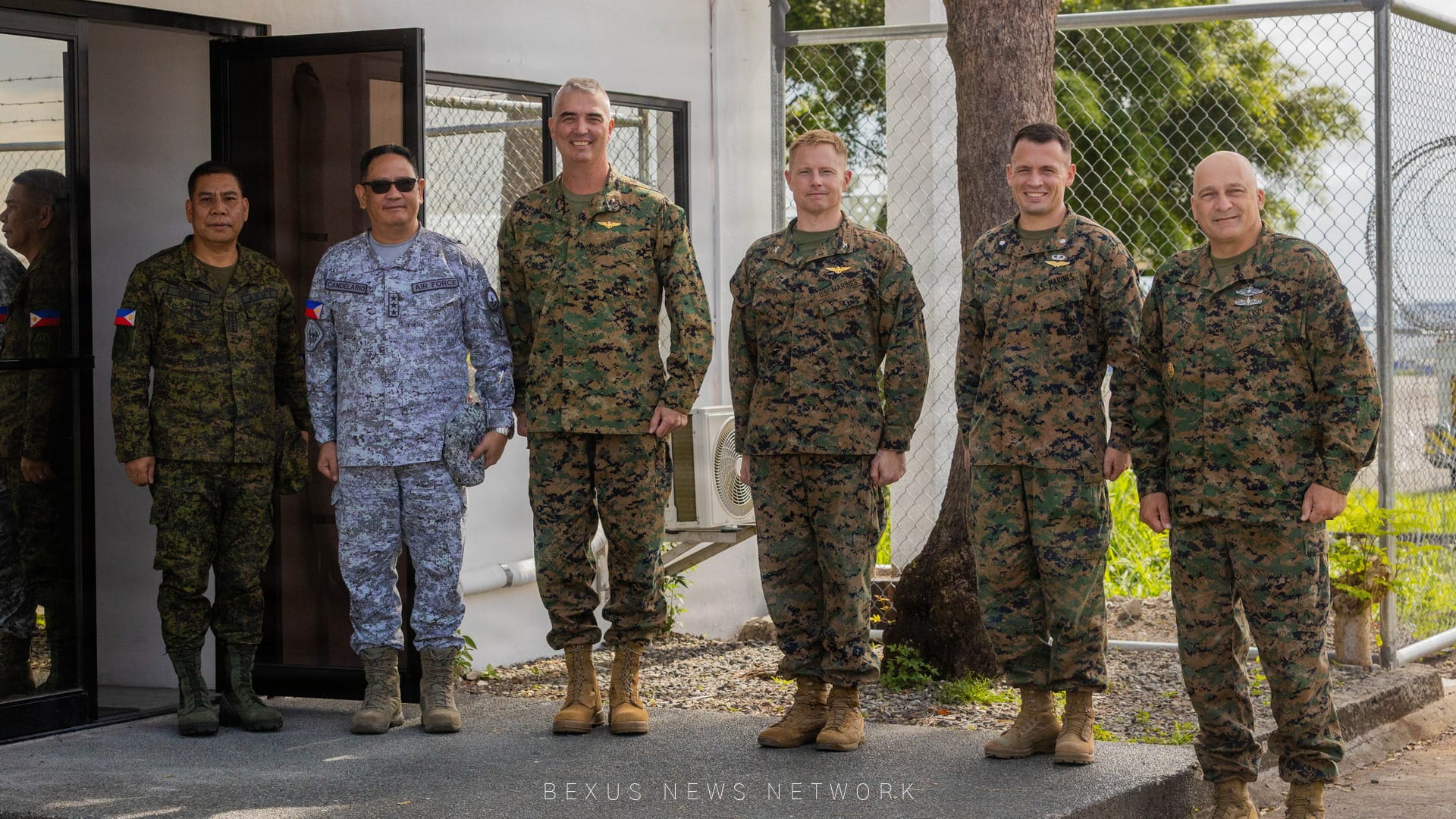
United States Indo-Pacific Command said on October 13, 2026, that U.S. Marines with I Marine Expeditionary Force and Marine Rotational Force – Southeast Asia joined personnel of the Philippine Joint Task Force for a bilateral planning exercise in the Philippines from October 5 to 9, 2026. A photo caption in the release identified the location as Clark, Philippines. The exercise lasted five days. The release did not state the total number of participants.
The command said the exercise brought United States and Philippine planners together to strengthen shared understanding, refine bilateral planning processes, and improve the ability of both forces to coordinate during crises and contingencies. It was announced as a planning exercise in which planners work through a scenario, not as a field maneuver exercise with troops moving outdoors. The command placed the exercise within months of engagement between Marine Rotational Force – Southeast Asia, I Marine Expeditionary Force, and Philippine counterparts across the Philippine archipelago.
According to the release, additional I Marine Expeditionary Force personnel arriving from California integrated quickly through the Fly-In Command Element of Marine Rotational Force – Southeast Asia, building on relationships the rotational force had already established with Philippine counterparts. A photo caption stated that Marine Rotational Force – Southeast Asia serves as the forward command element of I Marine Expeditionary Force in the Philippines, supports Task Force-Philippines, and integrates with the Armed Forces of the Philippines to strengthen interoperability and combined readiness. That explanation follows the Marine Corps photo caption.
Planners Examined Authorities and Command Relationships Together
The command said personnel from both sides worked through a scenario to develop a common understanding of the mission and the operating environment. Planners examined authorities, command relationships, organizational roles, and other considerations that affect how the two forces coordinate in a potential crisis. The discussions emphasized a Philippine-led approach, with United States planners learning Philippine processes and organizational relationships from their counterparts.
The command said the process aimed to move beyond routine coordination toward greater bilateral awareness. By understanding how each force views an operational problem, communicates information, and makes decisions, planners can identify friction before operating together in a real situation. The command described that shared understanding as team cognition, a state in which shared understanding among team members supports communication, decision-making, and overall team performance. That concept follows the wording of the command release.
Colonel Robert Bunn, commanding officer of Marine Rotational Force – Southeast Asia, said in the release that the relationships built with Philippine allies made the exercise possible. He said Marines and Sailors had spent the rotation learning alongside their counterparts, building trust and a better understanding of how the two forces operate together, and that the week built on that foundation. The speaker is a United States Marine Corps colonel quoted in the command release.
Philippine Officer Says Learning Alongside U.S. Forces Builds Joint Operations
Colonel Rowan Rimas of the Armed Forces of the Philippines said in the release that, as the Philippine military continues to modernize and strengthen its external defense capabilities, opportunities like this allow it to learn alongside United States allies and better understand how the forces operate together. He said that shared understanding strengthens interoperability and helps ensure the two forces are prepared to respond together when needed. The statement is by a Philippine officer quoted in the command release.