UK Labour government approves production at North Sea Jackdaw gas field, citing 6% boost to domestic gas output and £2.9 billion impact
UNITED KINGDOM
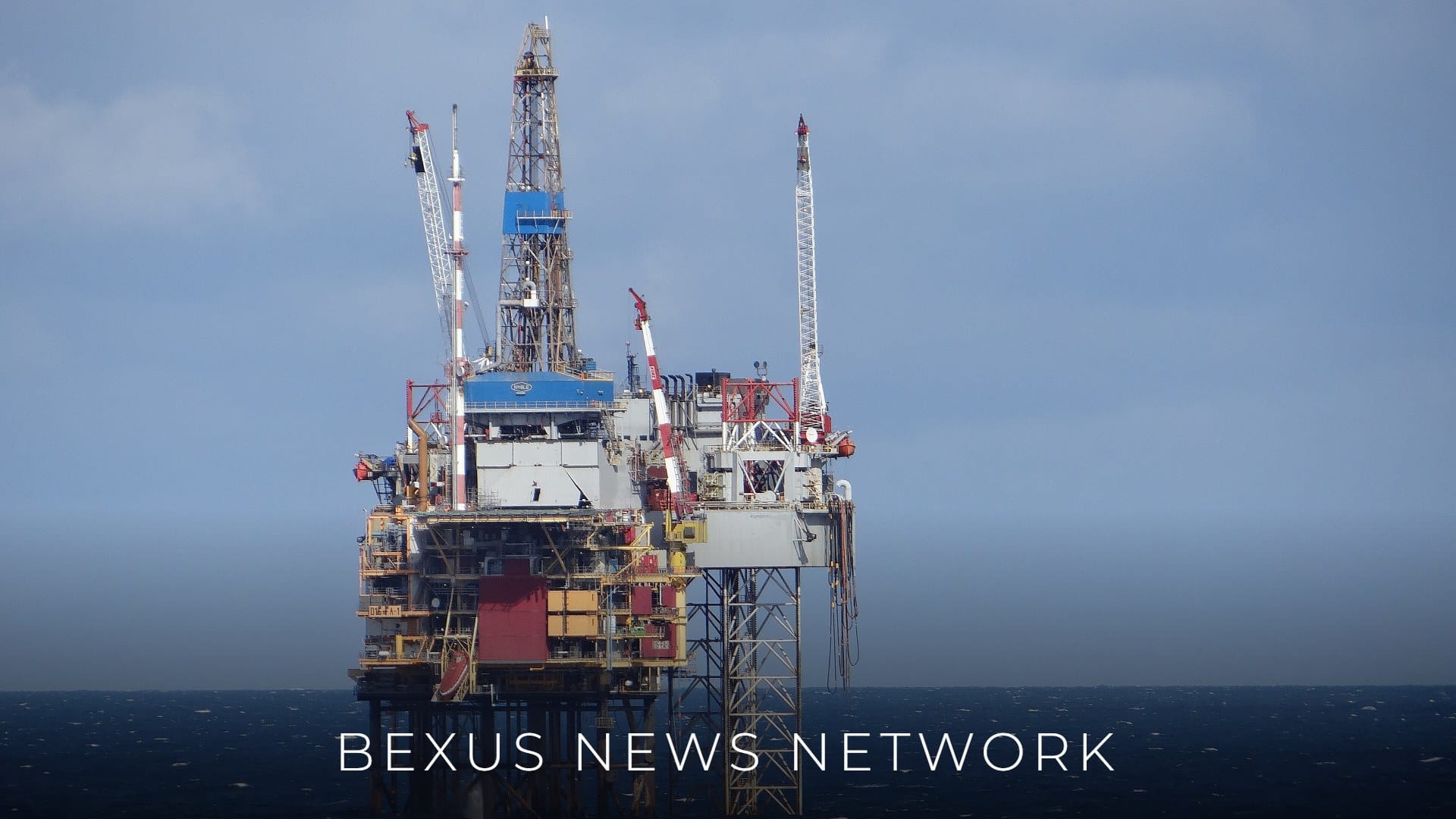
The British government has approved production at the Jackdaw gas field in the North Sea. The government announced on the 21st (local time) that Miatta Fahnbulleh, secretary of state for energy security and net zero, had approved the regulator, the North Sea Transition Authority (NSTA), granting consent for gas production at Jackdaw. The government said Jackdaw will supply gas to homes and businesses from as early as late October, raise domestic gas production by about 6% at its peak and supply gas for up to 11 years. On the same day, Chancellor John Healey announced the creation of an Energy Wealth Fund, with an initial £2 billion, to invest North Sea oil and gas tax revenue in renewable energy.
Fahnbulleh approves NSTA production consent
In Britain, oil and gas licences and development consents are separate. According to the notes to the government press release, a licence grants exclusive rights to explore for and produce in a specific area, while consent is a separate approval that must be obtained before a specific project can begin. The NSTA decides whether to grant consent, but it can issue approval only if the secretary of state agrees on the basis of an environmental impact assessment. Jackdaw is a field for which a licence has already been issued.
Fahnbulleh said that after careful consideration of all relevant factors, she had approved the regulator granting consent for gas production at Jackdaw, and that thanks to highly skilled North Sea workers, Jackdaw will start supplying gas to Britain from this winter. Fahnbulleh said the decision supports energy security with domestic gas in winter and helps reduce the use of higher-emission imported fuels during the transition to renewables and nuclear power. Fahnbulleh added that the decision is compatible with legally binding climate commitments and that the government's determination to end new oil and gas licences and achieve net zero by 2050 is unchanged.
Stuart Payne, chief executive of the NSTA, said that after rigorous scrutiny it had consented to the development of the Jackdaw field that day. Payne explained that once development work is complete, the operator can produce gas. Payne said the project supports energy security with domestic gas, generates tax revenue, protects supply chain jobs, uses existing infrastructure and has an emissions intensity "well below the UK average."
According to the government's environmental permitting disclosure page, the date of the secretary of state's consent decision is Oct. 14. The decision letter to the developer is dated the 19th, and the secretary of state's notice under Regulation 16(1) is dated the 21st. All of the decision documents were published on the 21st.
Government says Jackdaw will raise domestic gas output by about 6% at peak
The government said Jackdaw will "increase domestic gas production by around 6% at its peak" and support Britain's gas supply over a production life of up to 11 years. The notes to the press release estimated that Jackdaw will produce gas equivalent in energy to about 40 million barrels of crude oil over its production life.
The economic impact and jobs figures are the developer's estimates. In the body of the press release, the government said Jackdaw will add about £2.9 billion to the British economy, and the notes to the press release attributed the figures of 27 new direct jobs, 273 existing jobs sustained and an economic impact of about £2.9 billion to estimates by developer Adura.
More than half of Britain's gas comes from overseas. The five-year average supply mix for 2021-2025 presented by the government is 42% from the UK continental shelf, 37% from the Norwegian continental shelf, 20% liquefied natural gas (LNG) and 1% interconnector pipelines. In the press release, the government said recent events in the Middle East had caused a global energy shock that pushed up household bills, and that domestic energy strengthens national security.
Burnham cites "pragmatic approach," says North Sea oil and gas will continue to be used
Prime Minister Andy Burnham said he welcomed the energy secretary's decision and that it will help protect hundreds of jobs and keep millions of homes warm this winter. Burnham said that at a time when people are going through really difficult times, it is right to look at how to make the most of Britain's existing energy reserves responsibly.
While saying he would maintain the transition to renewables and the 2050 net zero target, Burnham said "we'll still require oil and gas as part of our energy needs for decades to come," even on an ambitious climate path. Burnham said that is why the government is taking a "pragmatic approach" to the North Sea. Burnham stressed that this approach will raise energy security and support British workers, and that North Sea revenue will in future be ring-fenced to speed up the green transition, meet climate targets and, crucially, lower bills.
Scotland Secretary Douglas Alexander said the Jackdaw approval is a win for Aberdeen, a win for Scottish workers and a win for British energy security. Alexander said the North East (of Scotland) has powered the country for half a century and will continue to do so for decades to come. Alexander said the decision will boost the economy by using homegrown skills and assets in Scotland and across Britain, and that investment in clean energy resources and transition work will also continue.
Chancellor Healey creates £2 billion Energy Wealth Fund from North Sea revenue
Healey announced that an Energy Wealth Fund, which will invest North Sea oil and gas tax revenue in renewable and low-carbon energy projects, will be created within the National Wealth Fund. The initial contribution is £2 billion, with North Sea revenues flowing into the fund over time. The government explained that the purpose of the fund is to attract long-term investment in renewable and low-carbon energy and build "a lasting national asset for future generations." It did not disclose the size or timing of further contributions.
Healey said he wants Britain's energy wealth to drive a new wave of clean power and to work for the British people. Healey said that since North Sea gas and oil were discovered decades ago, the benefits of the country's natural resources had not been turned into the long-term investment the country needs, and that the new fund will invest in future clean energy industries to create jobs, drive growth and strengthen energy security.
The National Wealth Fund is already being used as a channel for clean energy investment. When it announced the North Sea Future Plan in November 2025, the government said it had committed to deploying at least £5.8 billion from the National Wealth Fund during this parliament. In the same announcement, the government said it had attracted more than £62 billion in private investment across Britain since July 2024 and had confirmed £63 billion in government funding for clean energy over this parliament in the spending review.
The fund announcement came ahead of the budget. The government said investment in renewables will "substantially delink gas and electricity by the end of this Parliament." It explained that gas will set the price of electricity less often. The government said more than £100 billion in renewable and low-carbon energy investment has come into Britain since 2024. It cited examples including Sumitomo opening a £350 million cable factory at the Port of Nigg earlier this week and SSE confirming on the 20th that new supply chain contracts will support 400 skilled jobs across Scotland.