UK to Establish 'AI Biosecurity Lab'... Government £100 Million, OpenAI and Anthropic Up to £200 Million
UNITED KINGDOM
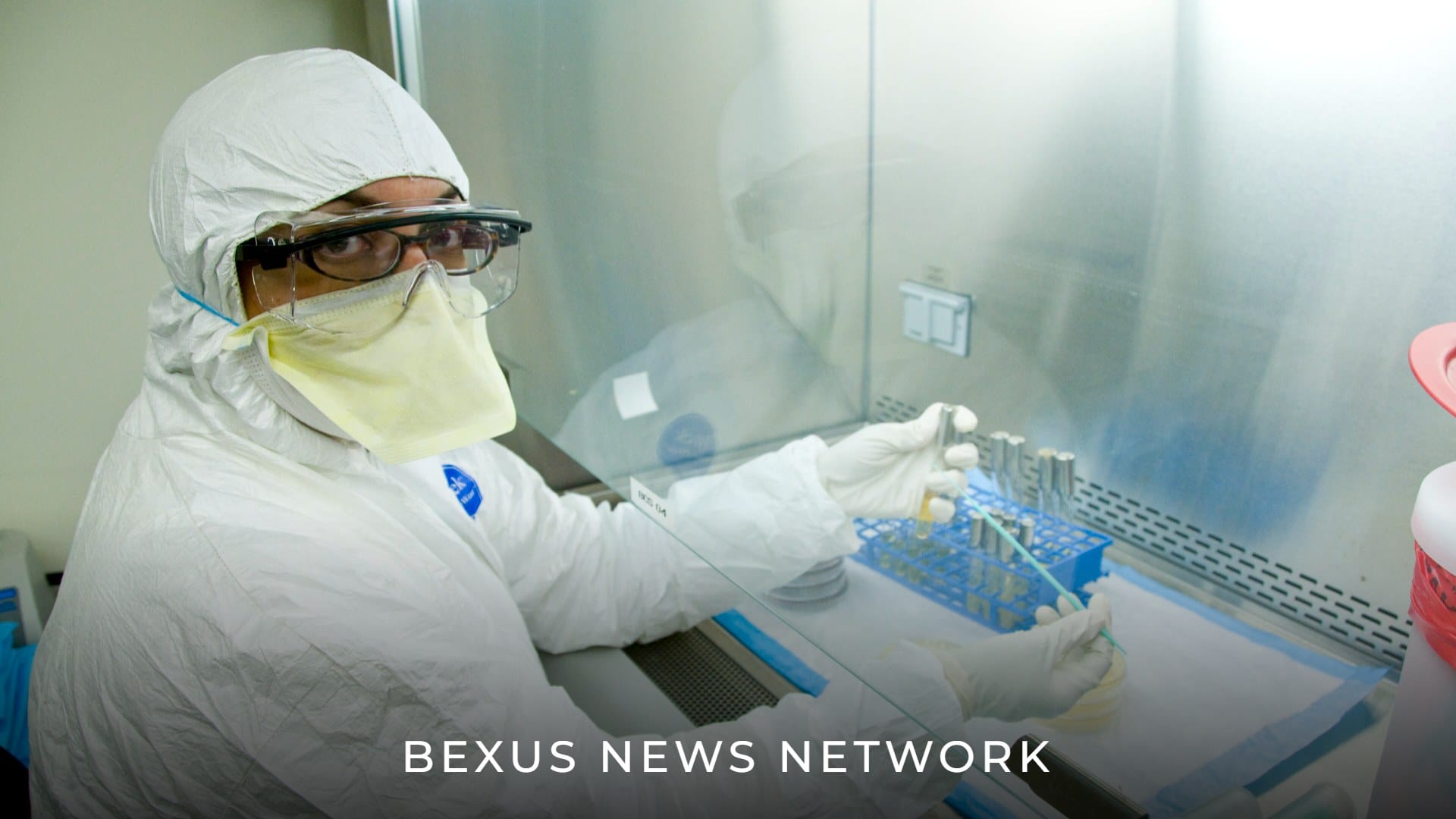
The UK Cabinet Office announced on the 24th (local time) that it will establish the "AI Biosecurity Lab (AIBL)," an independent non-profit institution dedicated to understanding, preventing, detecting, and responding to biological threats using frontier AI. With £100 million provided by the government and commitments of up to £200 million from frontier AI companies OpenAI and Anthropic, total funding stands at up to £300 million. The Cabinet Office introduced AIBL as "the world's first dedicated AI biosecurity organisation." The lab is launching as part of the National AI Biosecurity Initiative, with its initial priorities focused on early detection of emerging biological threats and accelerating the development of vaccines and therapeutics.
Cabinet Office Assesses AI Is Changing the Biological Risk Landscape
In the opening of its announcement, the Cabinet Office stated that while AI generates scientific opportunities, it is also "changing the biological risk landscape." It explained that although AI can accelerate research and broaden the understanding of diseases, increasingly capable AI systems could create novel biological risks and "could lower barriers to harmful activity." The government presented the establishment of AIBL as a core pillar of a national initiative to foster biological resilience while harnessing the benefits of AI.
The lab's mission is to strengthen biosecurity using frontier AI. The Cabinet Office stated it would bring together frontier AI talent and biological science talent to build practical capabilities to understand, prevent, detect, and respond to threats. Research targets encompass "a wide range of biological risks," including AI-enabled threats. The government explained that research outcomes will be applied to enhance resilience not only in the UK but globally.
The initial priorities follow two tracks. One is to "Enhance early detection of emerging biological threats," and the other is to accelerate the development of vaccines, therapeutics, and other medical countermeasures. The Cabinet Office noted that AIBL will support partner organizations, including the UK's National Biosecurity Centres.
Government Contributes £100M, Corporate Commitments of £200M Centered on Credits
The funding structure is divided into government contributions and corporate commitments. The government is providing £100 million. The corporate share of up to £200 million was committed by two frontier AI companies. OpenAI is contributing £100 million in compute and model credits, while providing "trusted access" to its most capable relevant models through its Rosalind Biodefense program. Anthropic committed up to £100 million in model credits, trusted model access, and "dedicated technical support."
The commitments of the two companies detailed in the announcement consist not of cash, but of credits, model access, and technical support. Anthropic's commitment includes the qualification "up to." Stating that it envisions AIBL as an institution supported by both public and philanthropic funding, the government said it would attract further investment over time. The scale and timing of additional funding were not disclosed.
Google DeepMind and Basecamp Research were also named as partners. The Cabinet Office said Google DeepMind will conduct joint research and "will look to provide" trusted access to Gemini and specialized scientific models. Basecamp Research will provide access to its AI-biology models and technical expertise for priority biosecurity challenges. No financial figures were attached to the contributions of either entity.
AIBL to Operate as Independent Non-Profit Similar to AI Safety Institute
AIBL will operate as an independent non-profit institution. The Cabinet Office explained that the lab is "Similar to the AI Security Institute" in terms of attracting talent and maintaining operational autonomy. Its founding purpose is to establish the UK as a global leader in AI-enabled biosecurity. It will establish a Scientific Advisory Board comprising figures from academia, industry, and the third sector, with details that "will be set out in due course."
The announcement contained no launch date, location, board composition, leadership appointments, or reporting and oversight mechanisms to the government. Nor did it specify a timeline for unveiling the Scientific Advisory Board. No ministers or civil servants were named or quoted in the announcement.
Launching in Partnership with Government Agencies Including UKHSA and Dstl
The lab will maintain "strong and trusted partnerships" with government bodies. AIBL is launching as part of the National AI Biosecurity Initiative alongside the UK Health Security Agency (UKHSA), Animal and Plant Health Agency (APHA), Defence Science and Technology Laboratory (Dstl), and the life sciences industry. With the Medicines and Healthcare products Regulatory Agency (MHRA), it will collaborate to prepare for health emergencies and "inform the regulation of AI-designed medicines."
The Cabinet Office stated it would collaborate with public bodies, universities, industry, and frontier AI companies within the UK and internationally. The plan is to link biosecurity, life sciences, and AI expertise through "deep research collaborations" to translate AI advances into practical tools. The announcement did not name any international partner countries or overseas institutions.
2023 Biological Security Strategy Set £1.5B Annual Investment and 2030 Targets
AIBL is built upon the UK Biological Security Strategy. Announced on June 12, 2023, under the Rishi Sunak administration by then-Deputy Prime Minister Oliver Dowden, the strategy updated the 2018 framework and targets the period up to 2030. The government stated it spends more than £1.5 billion annually on biological security. The strategy outlined a "Biothreats Radar" led by the National Situation Centre, a national biosurveillance network, microbial forensic tools to determine the provenance of biological incidents, and a Cabinet Office Biosecurity Taskforce. It also incorporated the "100 Days Mission" to deploy vaccines, therapeutics, and diagnostics within 100 days of an outbreak, a target stemming from commitments made at the 2021 G7 Carbis Bay Summit. The lead minister was mandated to report implementation progress to Parliament annually.
Then-Deputy Prime Minister Dowden said, "Covid was the biggest peacetime challenge in a century, and we must be diligent in preparing for future threats on this scale." The 2023 announcement press release made no mention of AI.
In the same press release, Dame Angela McLean, then-Government Chief Scientific Adviser, said that the COVID-19 pandemic demonstrated the vital importance of a coherent plan to protect the UK from increasingly complex biological risks and build on strengths in vaccine research and development and the life sciences sector. Dame Jenny Harries, then-Chief Executive of the UKHSA, said the strategy placed the nation in "a strong position" to tackle future threats, adding that the agency would work alongside the Department for Environment, Food and Rural Affairs (Defra) to establish a national biosurveillance network and deliver the 100 Days Mission. Cassidy Nelson, head of biosecurity policy at the Centre for Long-Term Resilience, a think tank, welcomed the 2030 targets but noted that "sustained resourcing and prioritisation" would be required.